From AI to photonics: FEPS at the British Science Festival 2026
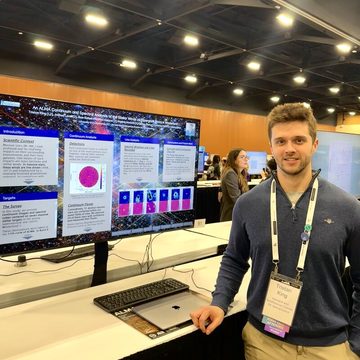
From artificial intelligence and electronic textiles to chemistry, photonics and cleanroom tours, FEPS colleagues contributed a diverse programme of activities during the British Science Festival, hosted by the University of Southampton from 16 to 20 September 2026.
The University of Southampton hosted the British Science Festival, bringing one of Europe’s longest-running science festivals to Highfield Campus and venues across the city. The festival featured more than 80 free events, giving visitors opportunities to engage with research, innovation and ideas from across the University. FEPS researchers, students and professional services colleagues contributed a wide range of activities, from hands-on workshops and interactive demonstrations to public discussions and performances.
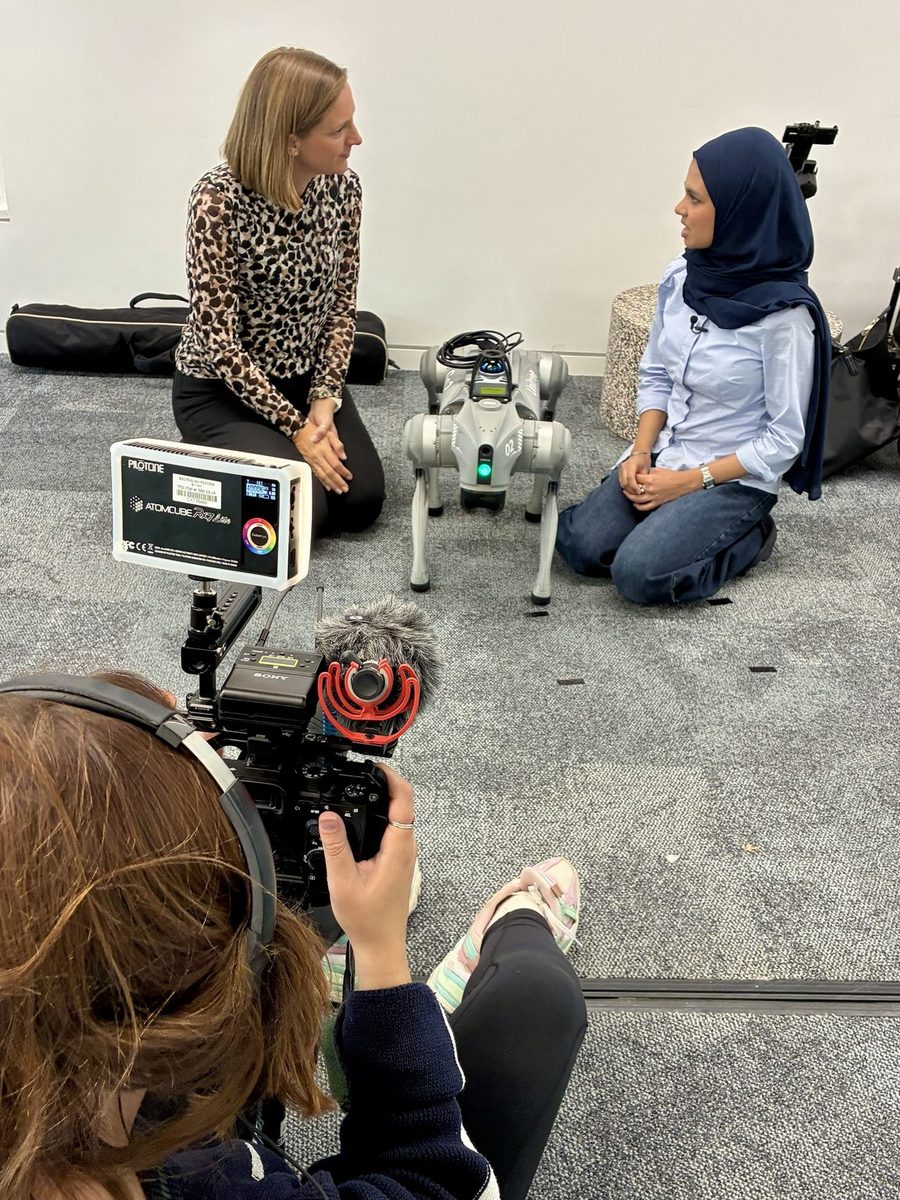
Artificial intelligence was a key theme across several FEPS-led events.
Building Future Worlds and AI and Future Worlds and AI invited visitors to explore how emerging technologies could shape the future, while Future AI: Reflect and Debate encouraged discussion around the opportunities, challenges and wider impacts of AI.
Together, these activities provided space for audiences to engage with current research and consider how technological developments may influence the way we live, work and solve future challenges.
Engineering, creativity and the built environment
FEPS researchers also showcased how engineering intersects with creativity and everyday life.
The Electronic Textiles workshop demonstrated how electronics can be incorporated into fabrics, highlighting research and innovation in wearable technologies and smart materials. Visitors were able to explore how engineering and design can work together to create new forms of interactive technology.
Meanwhile, Soundscape: Our Sonic City invited participants to explore the sounds that shape urban environments and consider how research can help us better understand and design the places where we live and work.
Science through performance and participation
The festival programme included opportunities to engage with science in different ways. The Comedy Showcase used humour and storytelling to explore scientific ideas, while other interactive exhibits and demonstrations encouraged visitors to ask questions, test ideas and learn more about research taking place across the faculty.
Light, photonics, quantum science—and apples
More than 250 people discovered the science of light at Duality: Listen to Light, a British Science Festival event led and sponsored by CORNERSTONE, the University’s Photonics Innovation Centre. The event brought together the School of Physics and Astronomy, Turner Sims, Light Up Trails and the EPSRC Centre for Doctoral Training in Quantum Technology Engineering.
The idea of exploring the science and technology of light through a creative performance came from Dr Pearl John, CORNERSTONE and Public Engagement Lead. Dr Elinor Twyeffort, a quantum scientist in the School of Physics and Astronomy, then shaped that idea into the performance audiences experienced on the night. The event was delivered collaboratively by the public engagement teams from The M.I.S.S.I.O.N: Light for Life Project—Dr Colin Mitchell and Rachel Muir—and CORNERSTONE—Dr Pearl John and Aubree Slavic.
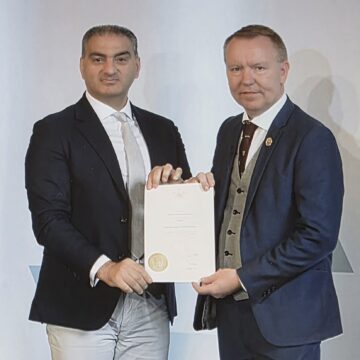
The Mayor of Southampton joined the audience, and Professor Mark Spearing opened the evening. He described the event as “a wonderful collaboration between Physics and Music”, showcasing work from Physics and Astronomy and the Optoelectronics Research Centre, and praised the “brilliant evening in the Turner Sims”.
During the headline performance, Dr Twyeffort’s narration and scientific demonstrations were brought to life by the City of Southampton Orchestra, conducted by Professor John Traill, with clarinettist Alison Hughes. Sound experiments, data sonification and visualisations of University research took the audience on a journey from classical wave theory to wave-particle duality, making complex ideas in quantum science and photonics engaging and accessible.
The experience continued in the foyer, where visitors could get hands-on with exhibits exploring quantum technologies, optical fibres, silicon photonics, sensing and the nature of light. Demonstrations were led by:
- University spin-out AQUARK Technologies
- Industry partner Microsoft’s Fastnet and Hollow Core research groups
- Light Wave, the Faculty’s student optical society
- Optoelectronics Research Centre teams led by Professor James Gates, Dr Colin Mitchell, Dr Thalia Dominguez Bucio, Venugopal Raskatla and Emily Crawshaw
Emily Crawshaw, Public Engagement said
“Supporting the Duality: Listen to Light event at the British Science Festival was a real highlight of my time at CORNERSTONE. It was fantastic to be part of such a collaborative effort to celebrate photonics and ‘shine a light’ on the exciting research happening across our university!”
The Urban Forager Project
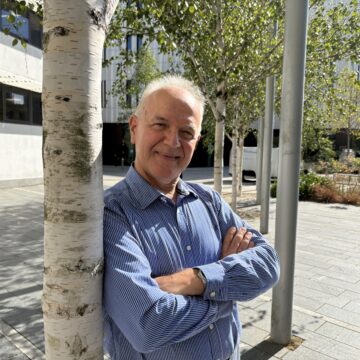
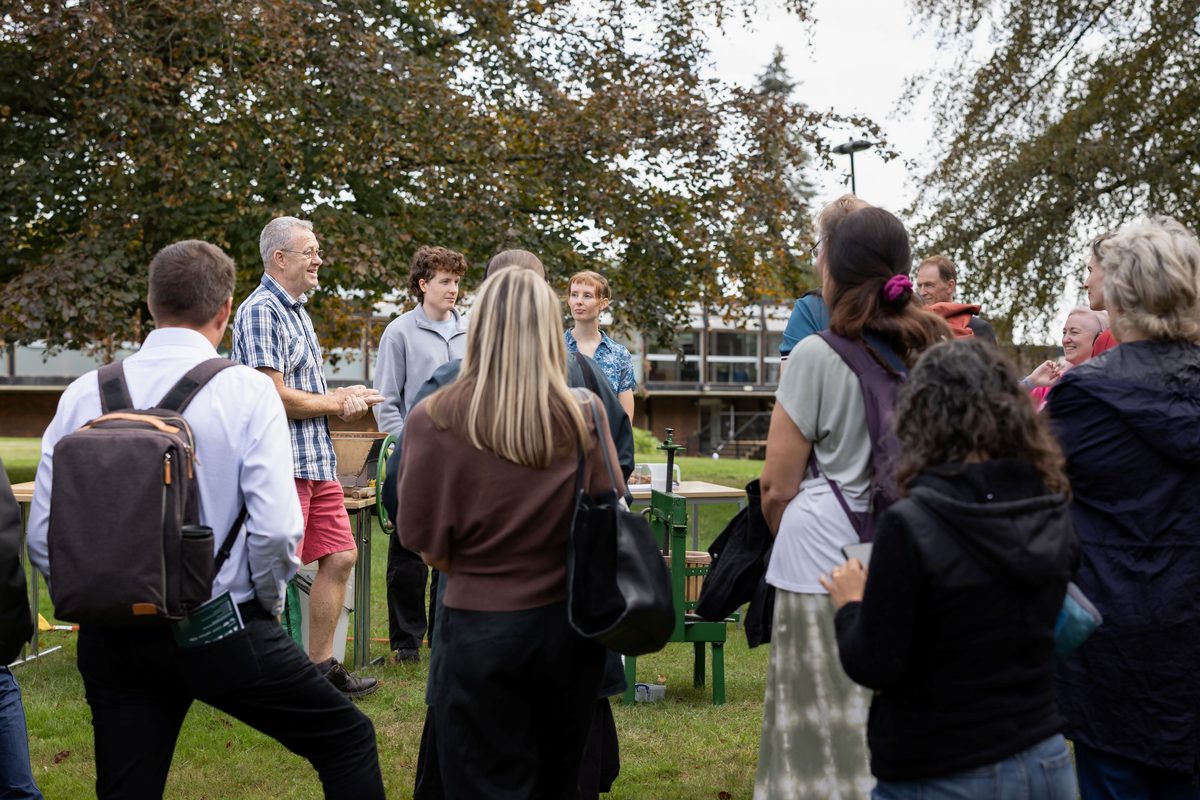
Alan Gibson, a Research Technician in the School of Physics and Astronomy (pictured below), led 30 participants on a foraging walking tour at the British Science Festival. The route took the group through Highfield Campus to Southampton Common, discovering the abundance of food growing in the city, including hazelnuts, blackberries, elderberries, hawthorn and apples.
Alan demonstrated how a global mapping app can help people locate fruit trees and other foraging opportunities. Participants also joined in pressing apples and tasting fresh juice, sharing knowledge and making connections for future expeditions.
Reflecting on the event, Bella Spencer, Festival Engagement Manager at the British Science Festival, said:
“The Urbane Forager took a lively crowd through the local common and connected people to their local environment and community. There was such a buzz around the event, with people sharing foraging knowledge, apple juice and contact details for future expeditions.”
The event was attended by Professor Mark Spearing and featured in the British Science Association’s Festival blog.
Future chemistry
The School of Chemistry and Chemical Engineering put on the Future Chemistry Hub, which included a dizzying array of hands-on activities, talks, tours and an art installation. The hub gave visitors opportunities to meet researchers, discover work taking place across the discipline and see how chemistry supports innovation in a wide range of fields.
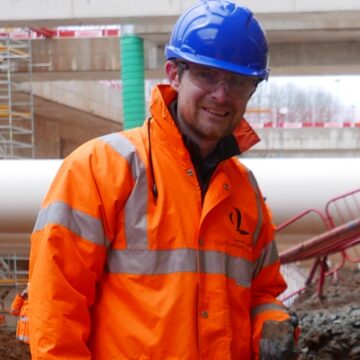
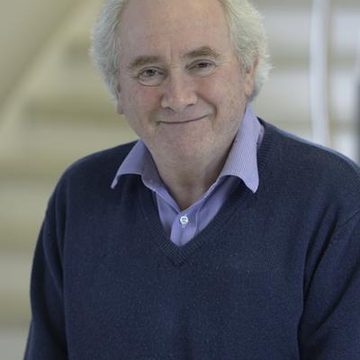
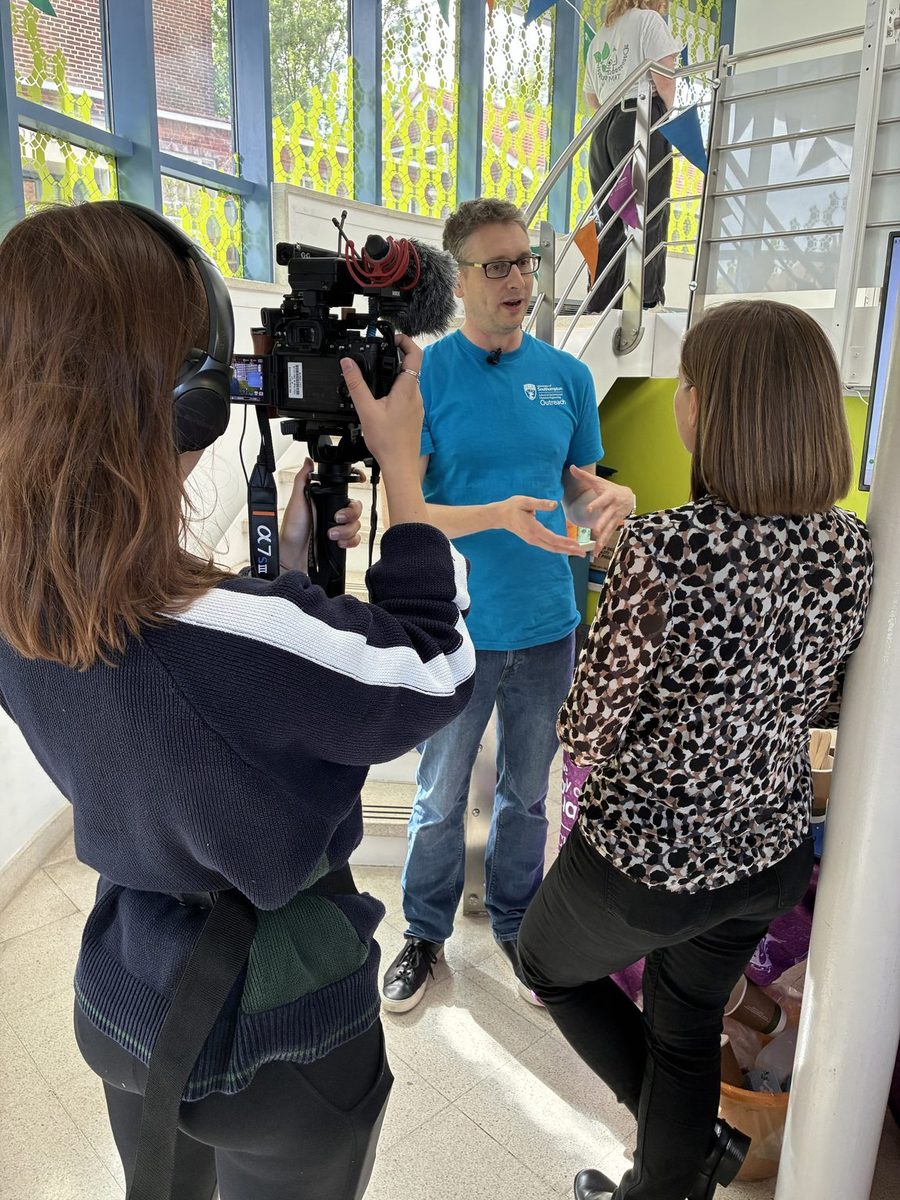
The School was buzzing throughout the festival, with around 120 members volunteering their time and sharing their enthusiasm and knowledge with over 800 visitors! Special thanks go to Matthew Partridge, Director of Outreach, Sophie Bennett and Dawn Dunlop from the School of Chemistry for their contributions. Matthew (pictured below) was also interviewed by the BBC about the School’s festival activities.
Bringing research and public engagement together
As part of the schools and colleges programme during British Science Festival, the ORC invited 105 students from Southampton and the surrounding areas to the state-of-art cleanrooms. Students ranging from year 10 to college and sixth form were given a guided tour of the cleanrooms where the ORC tour guides gave them an insight into the research and enterprise-led work that goes on inside and beyond!
The students also heard from members of the hollow core fibre team on the history of hollow core fibres, where and how they are used today, how they are manufactured in the cleanrooms and how the ORC is advancing technology in this field.
Making the festival a success
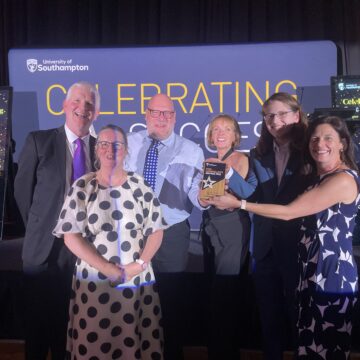
The British Science Festival brought together researchers, students, staff and visitors through a programme of talks, workshops, demonstrations, performances and tours across Southampton and Highfield Campus. FEPS activities reflected the breadth of research taking place across the faculty, providing opportunities for people of all ages to engage with topics ranging from artificial intelligence and engineering to chemistry, photonics and quantum science.
The university would like to thank every colleague who supported the British Science Festival. There are too many people to mention individually, but we are grateful to everyone who contributed to making this event such a success.