New book explores how Día de Muertos changed during the COVID-19 pandemic
A new book co-authored by University of Southampton researcher Jane Lavery examines how Mexico’s Día de Muertos (Day of the Dead) traditions changed during the COVID-19 pandemic.
Changing Configurations of Día de Muertos during the COVID-19 Pandemic in Mexico and Beyond, written by Jane Lavery and Nuala Finnegan, looks at how communities in Mexico, Ireland and the UK adapted practices of remembrance and mourning during 2020 and 2021. The book was published by Palgrave Macmillan in 2026.
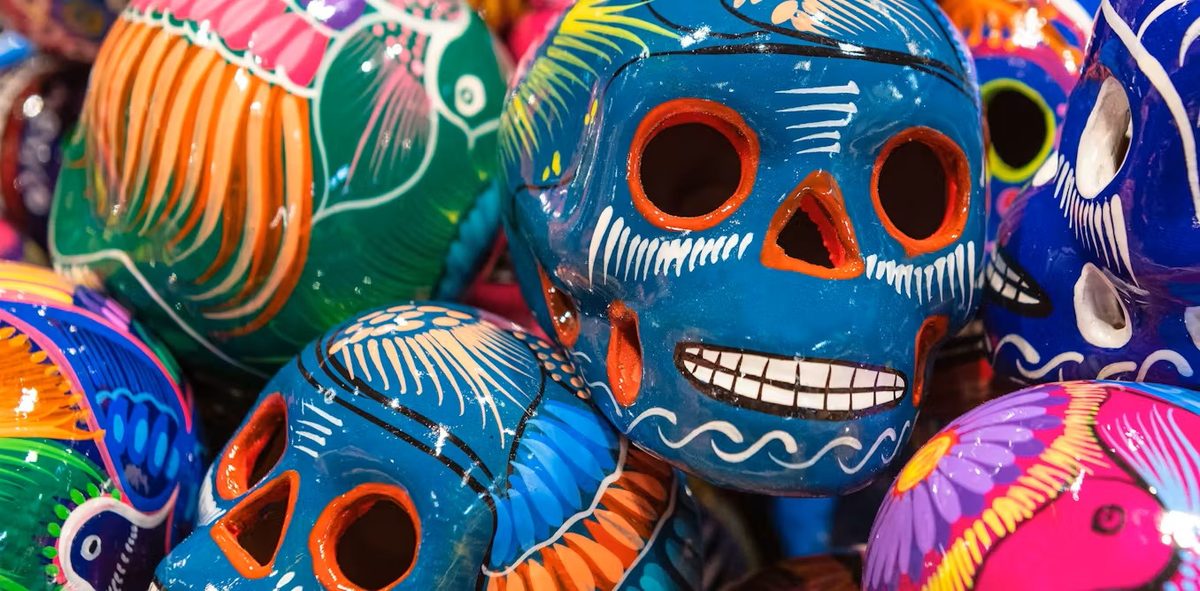
Celebrated on 1 and 2 November, Día de Muertos, or Day of the Dead, brings families and communities together to remember those who have died. While it is often recognised for its colourful and celebratory imagery, it also acknowledges grief, longing and the lasting pain of loss.
The book explores how the pandemic changed these traditions and influenced conversations about grief, mental health, renewal and gender-based violence. Its case studies include commemorative marches, dance, masks, film, calavera poetry and creative activities developed for homes and online spaces.
Through these different cultural forms, the authors show how Mexican communities in Mexico and overseas drew on Día de Muertos traditions to make sense of loss and maintain connections during the pandemic.
Jane Lavery, Associate Professor in Latin American Studies at the University of Southampton, leads a wider research project examining Día de Muertos, its global adaptations and its significance for Mexican and non-Mexican communities. Her work also considers how the tradition can be explored sensitively in schools, civic spaces and health and social care settings. See this article written by Jane and published in October 2026 with TES (formerly Times Educational Supplement). The article explores how Mexico’s Day of the Dead can support schools in meeting the new RSHE requirement to teach about change, loss and bereavement from September 2026. It presents creative, culturally grounded approaches to grief and remembrance, alongside teacher training and safeguarded classroom resources that complement existing provision without requiring pupils to disclose personal experiences.
Bringing calavera skull poetry to new audiences
The publication was followed by two creative writing workshops led by Jane Lavery on 4 November, with support from the Mexican Embassy in London.
The workshops introduced participants to calaveritas literarias, short satirical poems that imagine encounters with La Muerte, or Death. Combining wit and dark humour, they offer a distinctive way of celebrating life and remembering others.
Drawing on her research into Mexican skull poetry, Jane helped participants write their own verses. They also worked together on a group calavera poem inspired by the Surrealist Exquisite Corpse tradition.
With their authors’ consent, some of the completed poems may be considered for an anthology due to be published by University of Southampton Press in 2027. The poems will be used as further research data for a monograph Jane is in the early stages of drafting.
Research inspires short film
Jane’s co-written monograph (the research) has also informed Crisálida (Chrysalis), a short film exploring whether death can still be celebrated in the same way after a global pandemic.
The film follows three women from Mexican communities in Cork, Bournemouth and London and explores their experiences of Día de Muertos, death, loss and transformation during the pandemic and beyond.
Crisálida was co-produced by filmmakers Steph Beeston and Tom Price, together with Jane and Nuala. It grew out of their research into the effects of COVID-19 on Día de Muertos celebrations in Mexico and among Mexican communities in the UK and Ireland.
Alongside the new book, the film and workshops bring Jane’s research to wider audiences and invite people to consider how different communities remember those who have died.