British Science Festival 2026: celebrating Southampton’s medical research
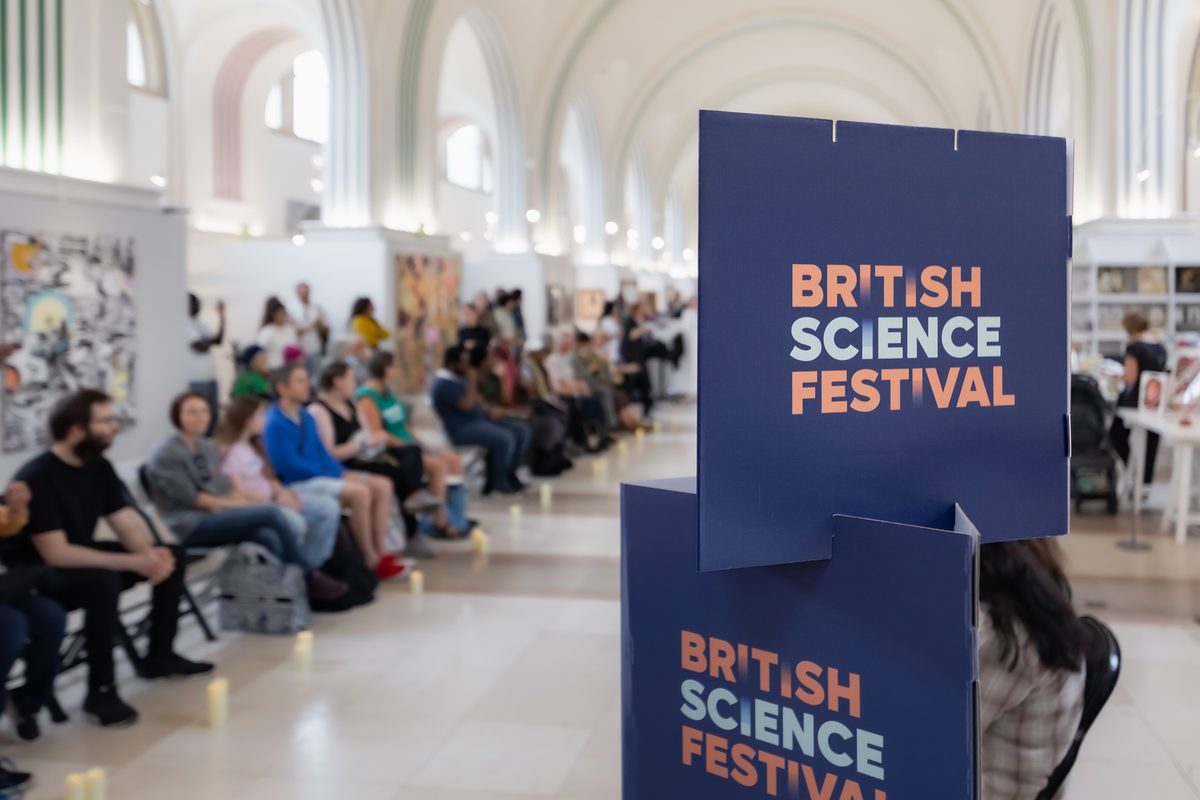
In September, the University of Southampton welcomed the British Science Festival to the city, hosting more than 80 free talks, workshops, performances and installations across five days.
Delivered in partnership with the British Science Association, the Festival showcased research and innovation in creative, accessible and thought-provoking ways.
The Faculty of Medicine played a prominent role during the Festival, contributing eight activities spanning lifelong health, medical technology, air pollution and the relationship between the gut and the brain.
Medicine’s involvement from the start
The Faculty’s contribution began long before the Festival programme was announced.
Members of LifeLab’s Youth Panel worked with the University’s Public Engagement with Research Unit and Festival organisers to help shape the programme. They reviewed and scored applications submitted through the closed call process, helping to shape the selection and delivery of activities across Southampton.
This collaborative approach continued throughout the Festival. For many months, Faculty teams worked with artists, schools, community members and public contributors to create activities that enabled people to learn about Southampton’s research, ask questions and contribute to conversations about health.
Exploring health across the life course
A four-part lifelong health programme explored exercise and wellbeing, vaccinations during pregnancy, identity, and the earliest stages of human development.
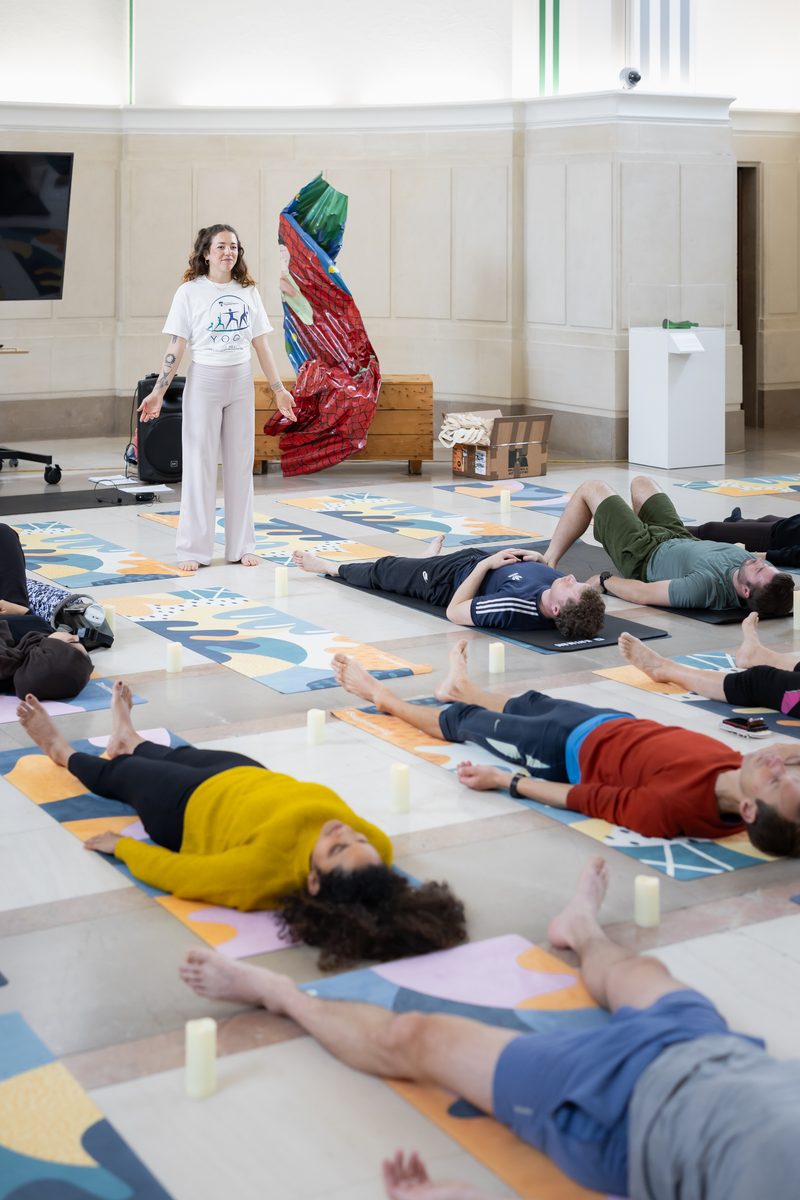
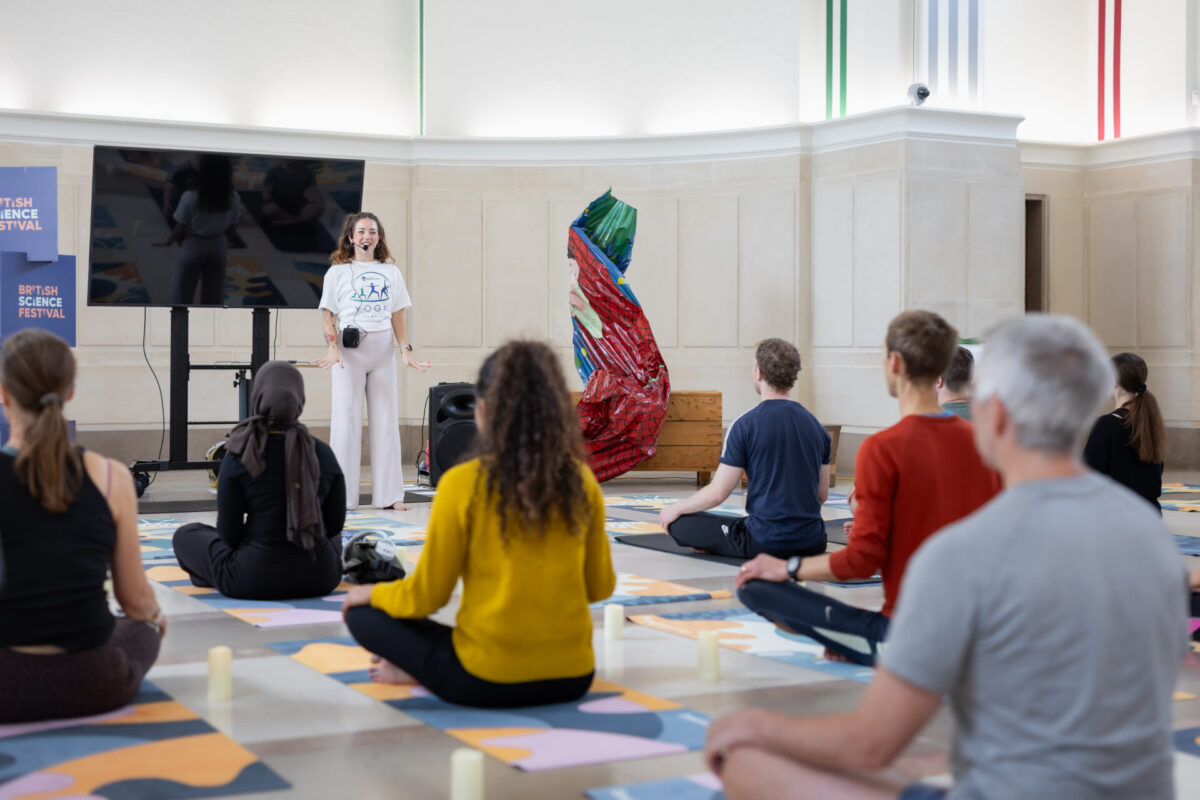
Yoga for Health
A yoga workshop invited participants to explore how movement can contribute to lifelong health.
Combining exercise with explanation, the workshop encouraged participants to consider the connection between physical movement, mental wellbeing and long-term health.
Clothed with Protection
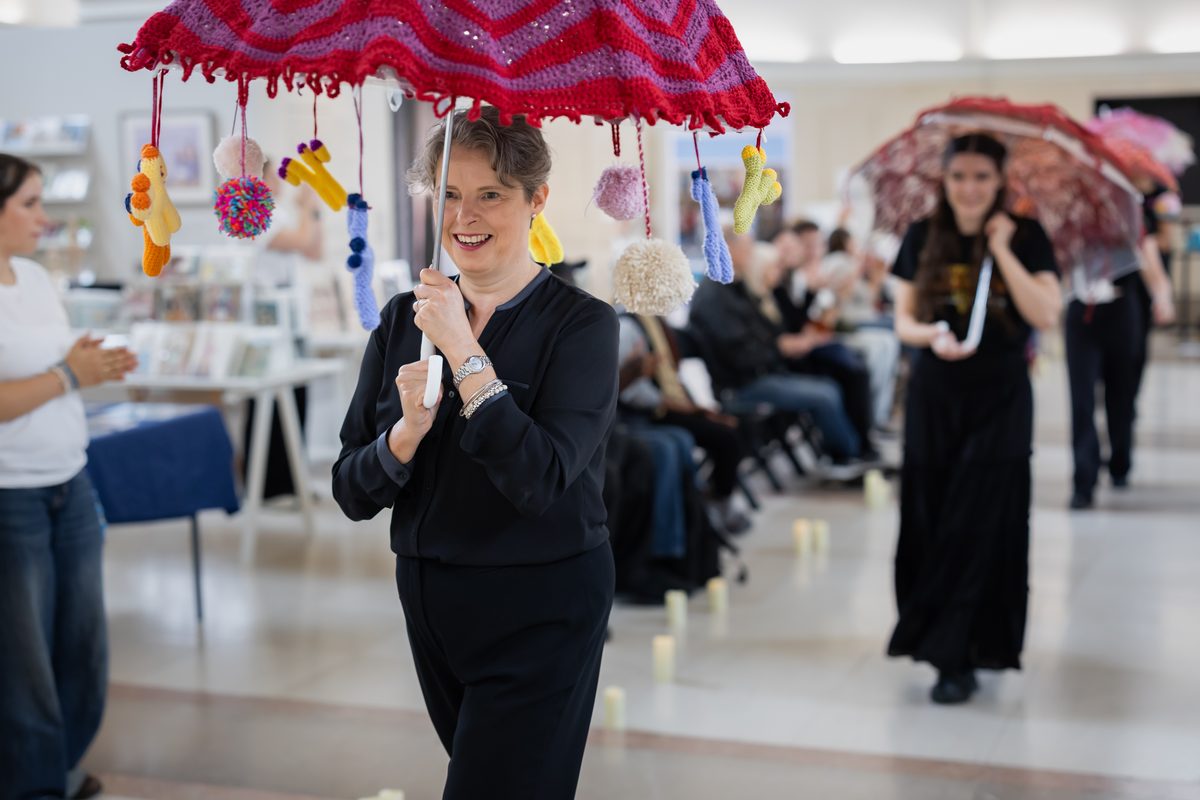
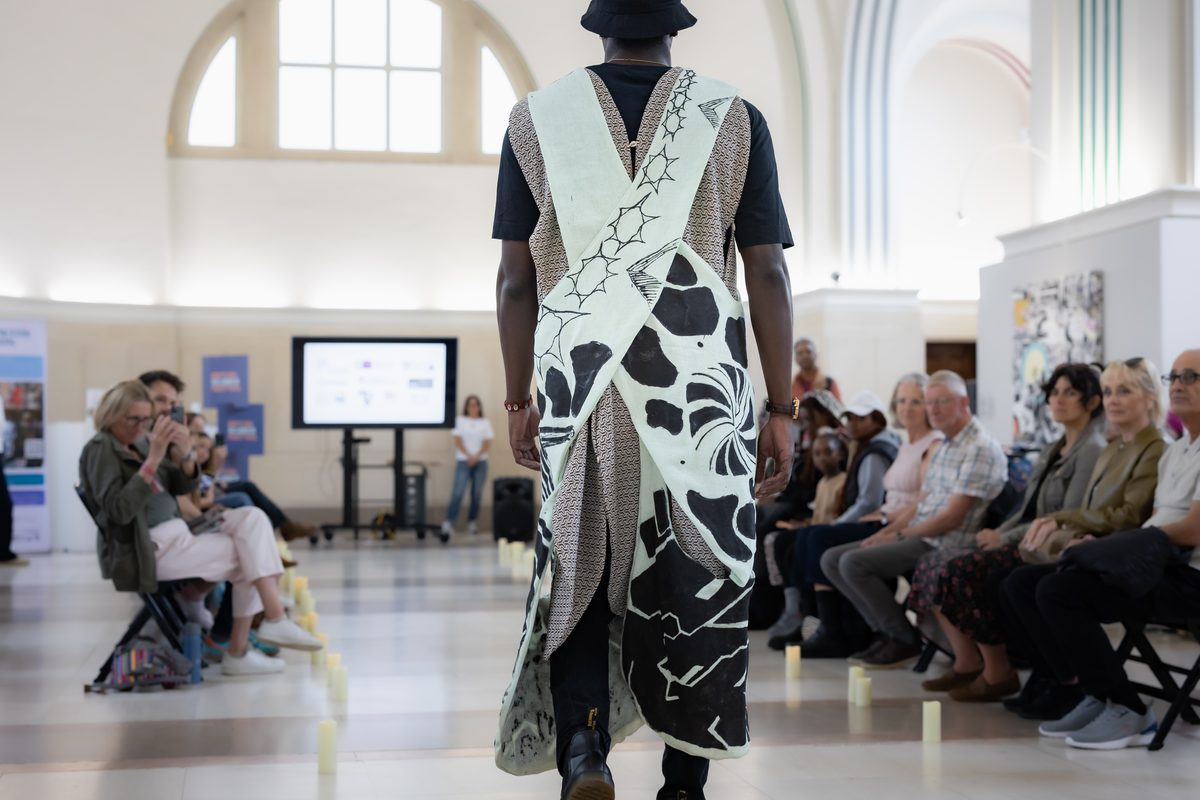
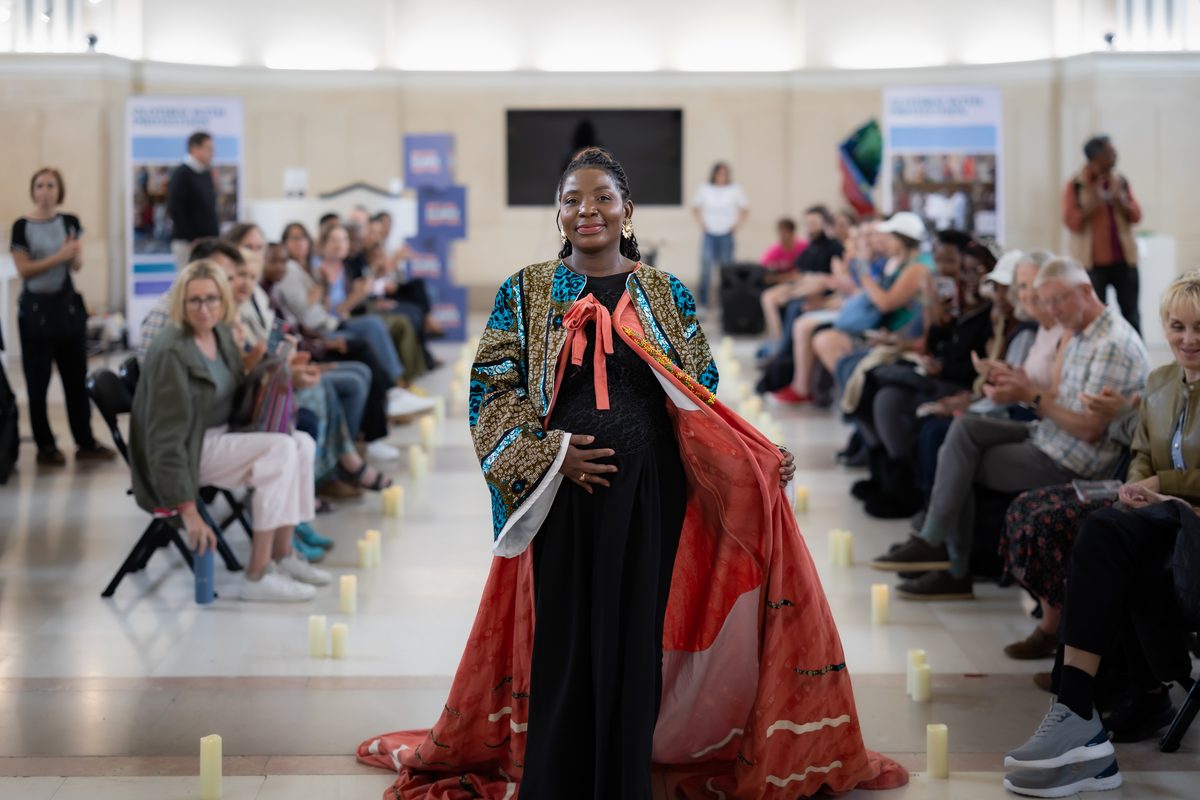
Combining fashion and science, Clothed with Protection used wearable art to communicate the importance of vaccinations during pregnancy.
Researchers worked with internationally renowned artist Luke Jerram and fashion designers from Uganda to transform scientific ideas about maternal antibodies and protection from infection into striking garments. Young people also created their own artistic response with Georgia de Buriatte from Winchester School of Art Saturday Club.
Professor Chrissie Jones explained how vaccination during pregnancy can help protect babies while their immune systems are still developing.
“Just as clothes can protect our bodies, vaccines can help protect babies from serious infections before they are even born,” she said. “Through colour, texture, shape and symbolism, the designers have transformed scientific ideas into wearable art.”
Visitors described the fashion show as “a powerful tool” for making the science clear, engaging and memorable. The models also reflected positively on the experience, with one calling the catwalk “one of the best days.”

The Art of Creation
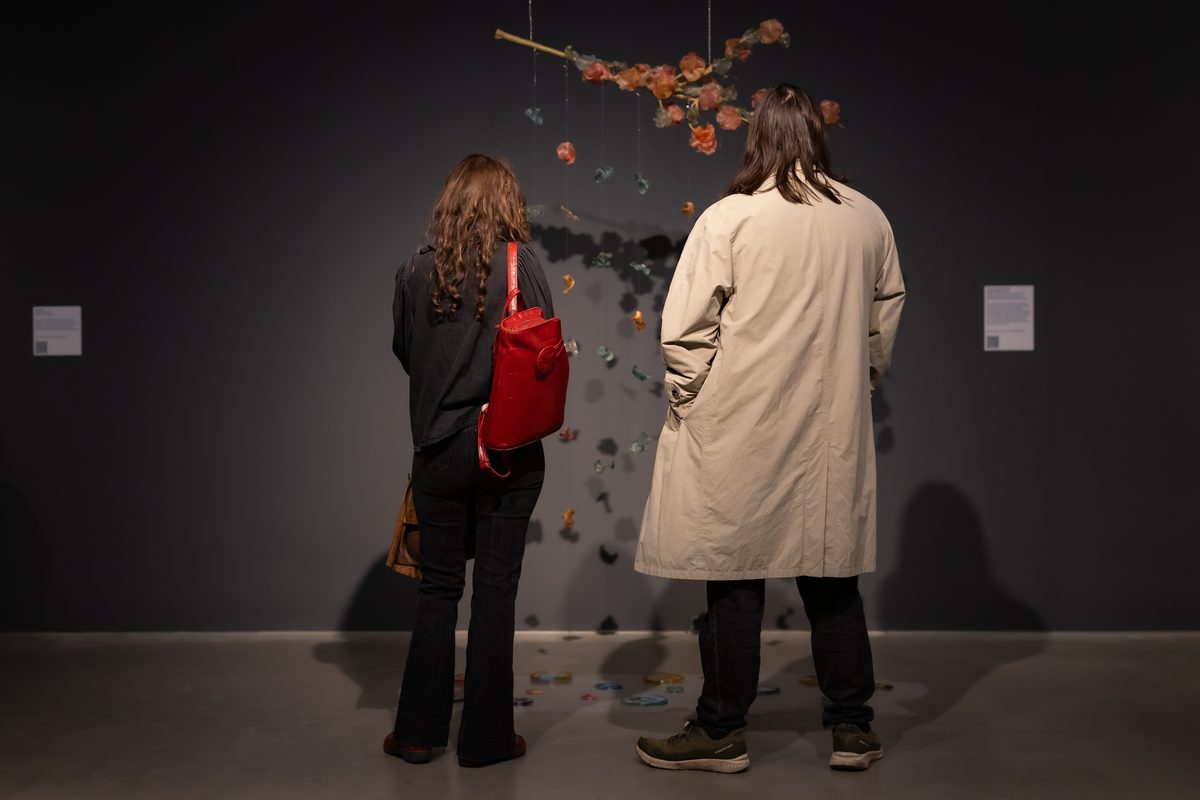
The Festival also marked the UK debut of The Canadian Art of Creation Exhibition, which brings together art and science to explore pregnancy and the earliest stages of human life.
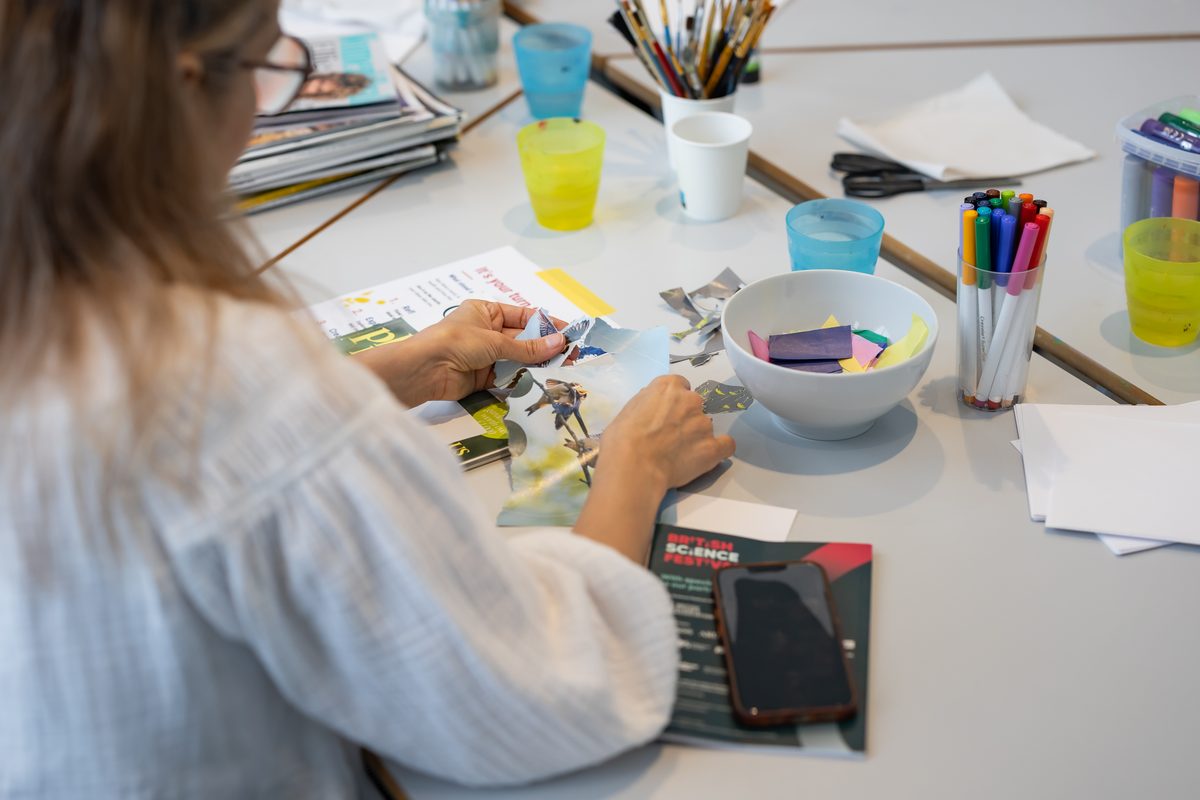
Visitors to John Hansard Gallery contributed to drop-in collage workshops, adding their work to a community art wall that grew throughout the Festival into a collaborative artwork.
Professor Deborah Sloboda of McMaster University said this transformed the exhibition from something people simply came to see into something they actively helped create. “THIS is community engagement in science!,” said Deborah.
Professor Lucy Green, who helped bring the exhibition to Southampton, described it as “a brilliant creative expression of the science of early development” that prompted valuable conversations with the public, staff and medical students.
Creative Conceptions
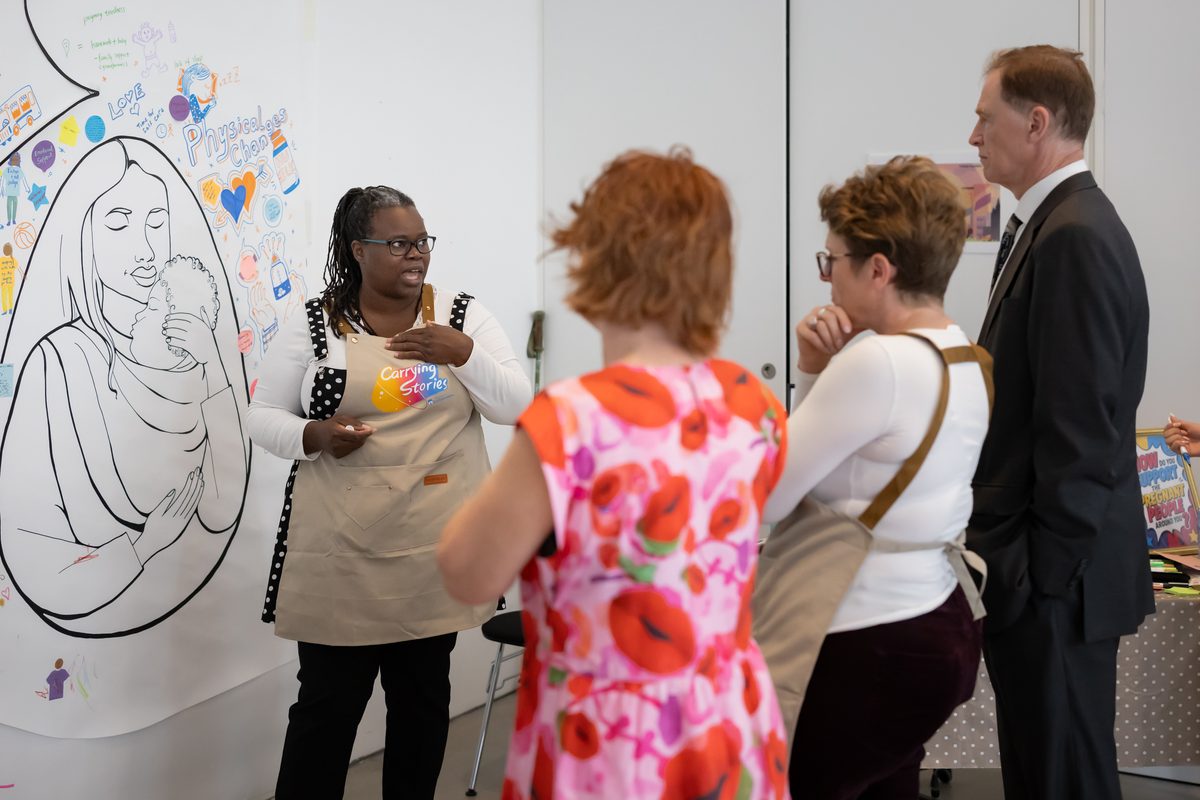
Creative Conceptions brought research and lived experience together through stories, objects, conversation and art.
Co-designed with local artists Karla Buck and Yu Zhang, alongside women from the original Southampton workshops, the activity explored pregnancy, heritage, identity, maternity care and health inequalities through the perspectives of Black and South Asian parents.
Project co-lead Professor Lucy Green described watching visitors absorb people’s experiences and add their own reflections to a “larger-than-life creative explosion” on the wall.
“It’s all about positive change,” she said. “We will take the project and Festival outcomes to those who research early development, or who plan and deliver care.”
Fellow project co-lead Dr Danielle Schoenaker said creative approaches had opened up important conversations and strengthened her determination to “improve the health and wellbeing of future parents and children, and tackle health inequalities.”
Public contributor Lister Mbarga Urujzian said the project made her feel heard, while artist Yu Zhang reflected on a powerful message shared by visitors: “Even after becoming a mother, remember that you’re still you. You don’t have to carry everything alone.”

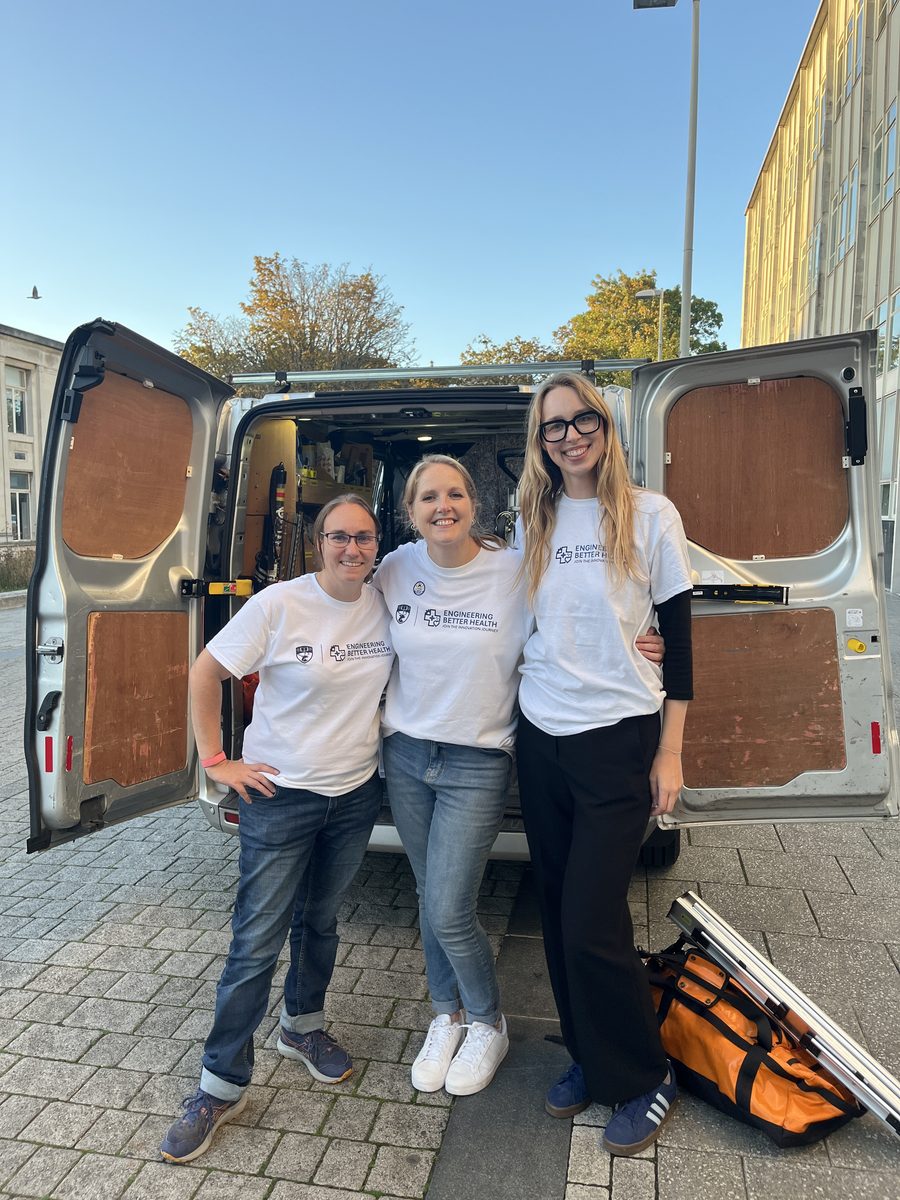
Engineering Better Health
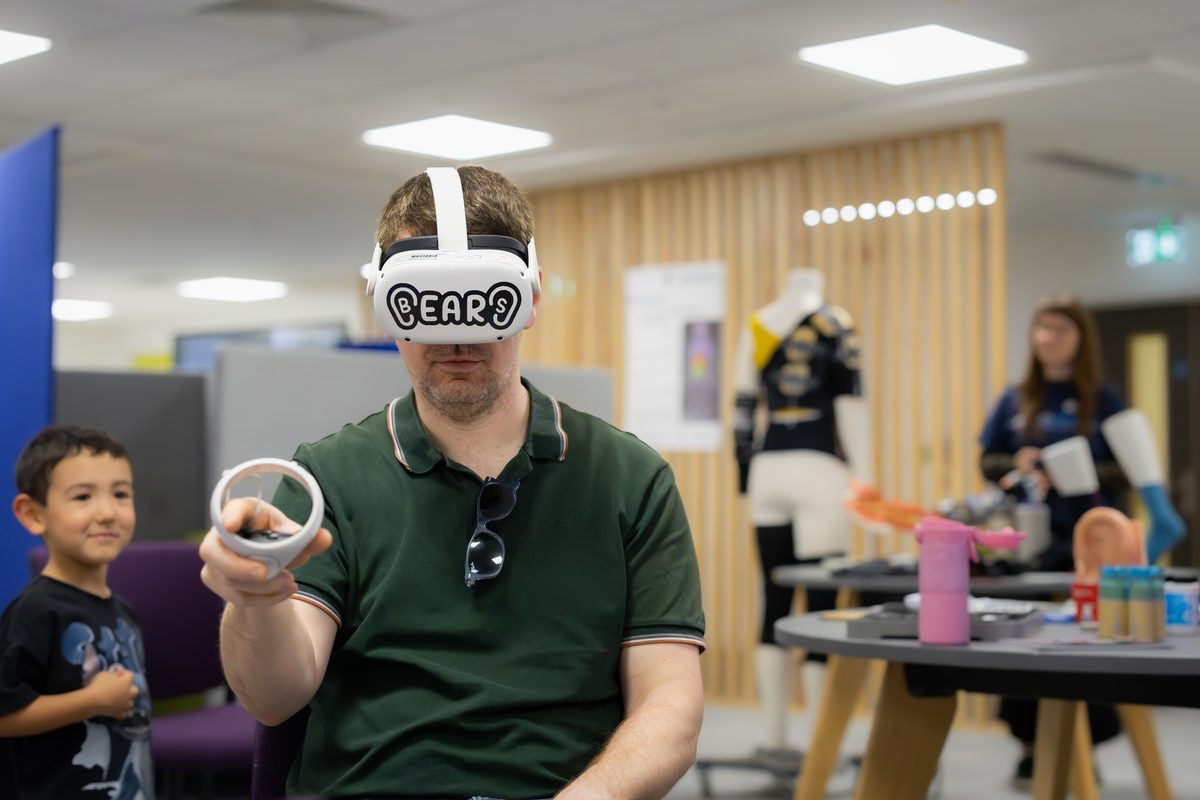
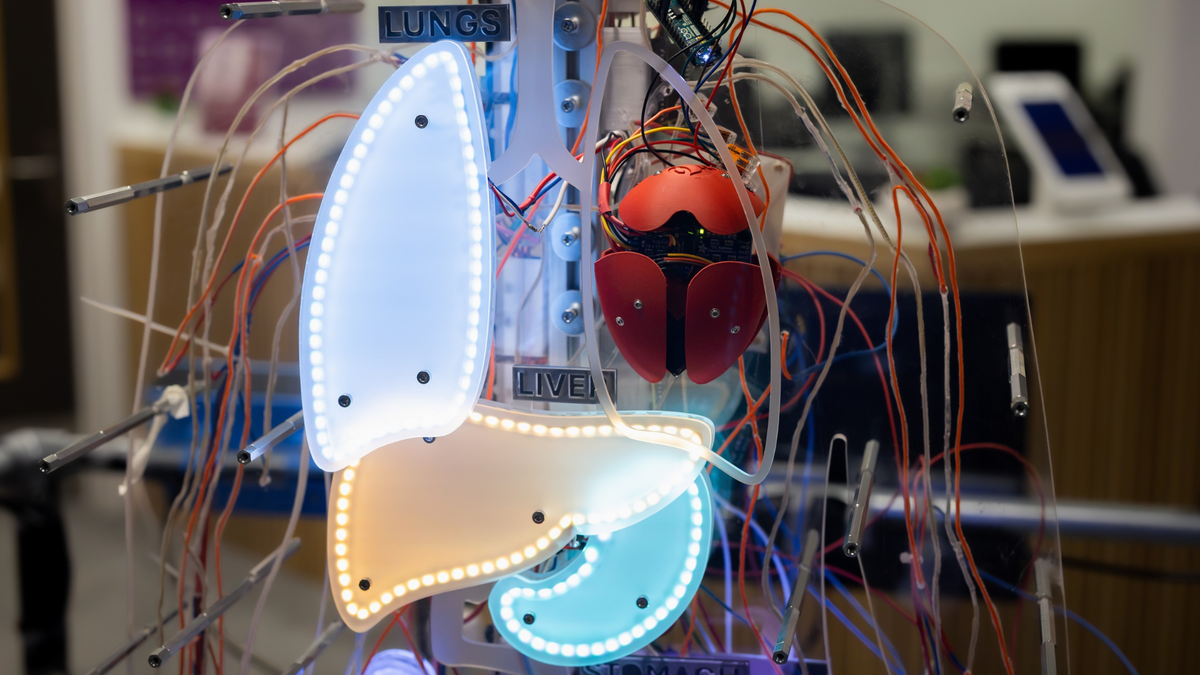
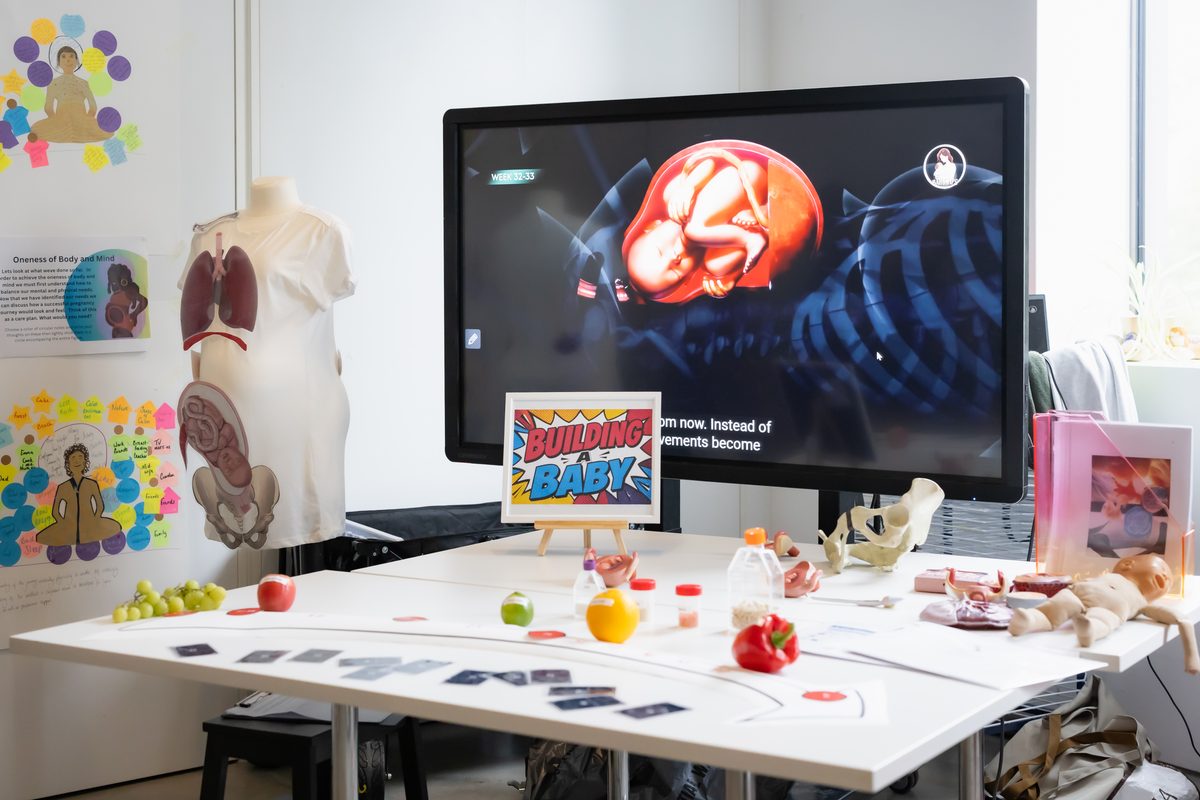
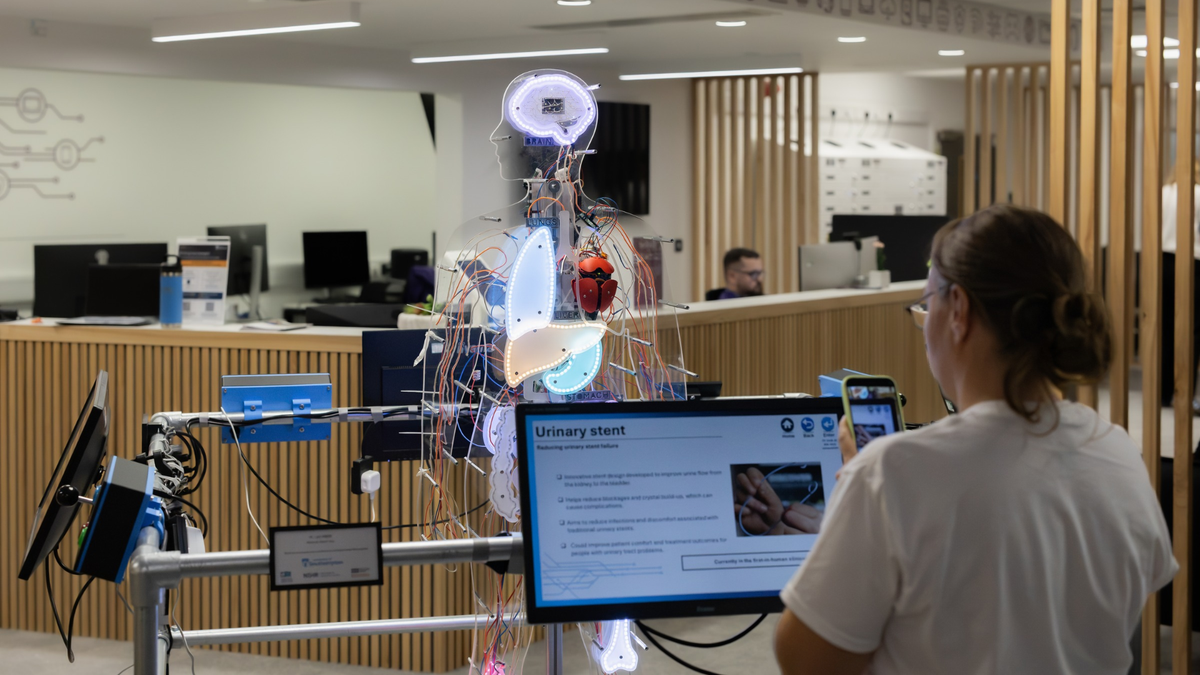
Through the Engineering Better Health activity, visitors were also able to explore how medicine, engineering and advanced technologies are coming together to address healthcare challenges.
The activity introduced Medi, an interactive engineered human packed with the latest medical discoveries, alongside exhibits exploring the early diagnosis of cancer, advances in prosthetic design, games to support children with new cochlear implants, microfluidics, wearable medical devices, e-textiles and live data plotting.
Activity lead Dr Alix Chadwell praised the Festival for bringing together colleagues who had not previously worked with one another and created exciting opportunities for future collaboration.
“We can see significant potential for future development of the exhibits, and the Medical Technology, Innovation and Design team have been instrumental in supporting this,” says Alix. “Medi has been designed with education, future reuse and further development in mind.”
Liz Alloway added that conversations with visitors showed genuine excitement about future healthcare advances.
“Chatting to visitors on the day, it was clear there was genuine excitement about healthcare advances made possible through research that brings together medicine, engineering, advanced technologies, innovation and creativity. We hope the Engineering Better Health event gave visitors a greater understanding of the breadth of research happening here in Southampton.”
Becoming Doctors
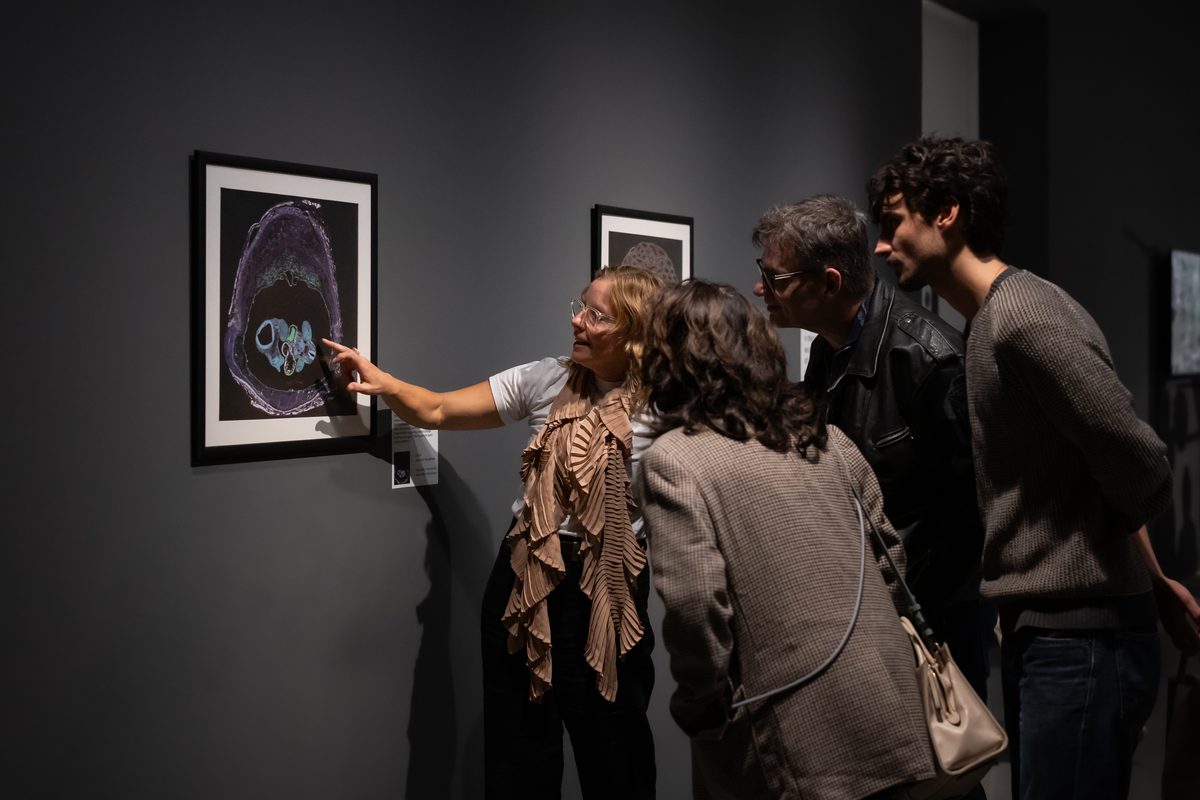
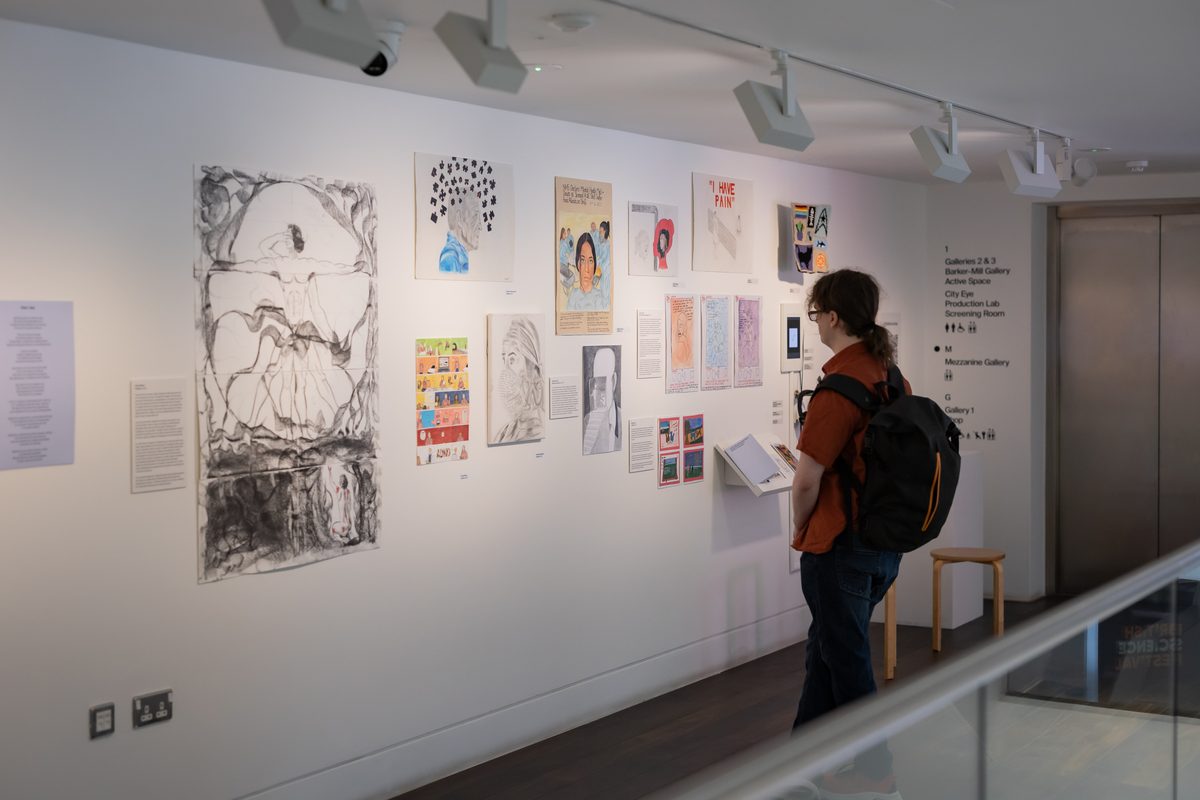
At John Hansard Gallery, Becoming Doctors: Stories of Identity, Inequality, and the Future of Care revealed the people and experiences behind the medical profession.
The exhibition features photography, poetry, podcasts, drawings, animations and zines created by Southampton medical students through the compulsory Medical Humanities module.
Addressing professional identity, illness, inequality, mental health, NHS pressures and doctor burnout, the work asks what kind of doctors today’s students hope to become.
The cross-Faculty exhibition is co-led by Dr Luca Di Gregorio and Dr Joan Tumblety, Co-Directors of the Southampton Centre for Medical and Health Humanities, with Edward Dymond as part of the curatorial team. The exhibition remains at John Hansard Gallery until 5 December.
Mapping the Air We Share
Led by Dr Nat Easton, Mapping the Air We Share explored how airborne particles can affect our lungs and wider health.
A highlight was a map telling the story of Southampton’s “diverse dust”, created using samples submitted by people across the area and imaged under an electron microscope at the hospital with support from the Biomedical Imaging Unit.
Visitors also discovered how trees can help collect information about pollution and explored which parts of Southampton are most affected by air-quality issues.
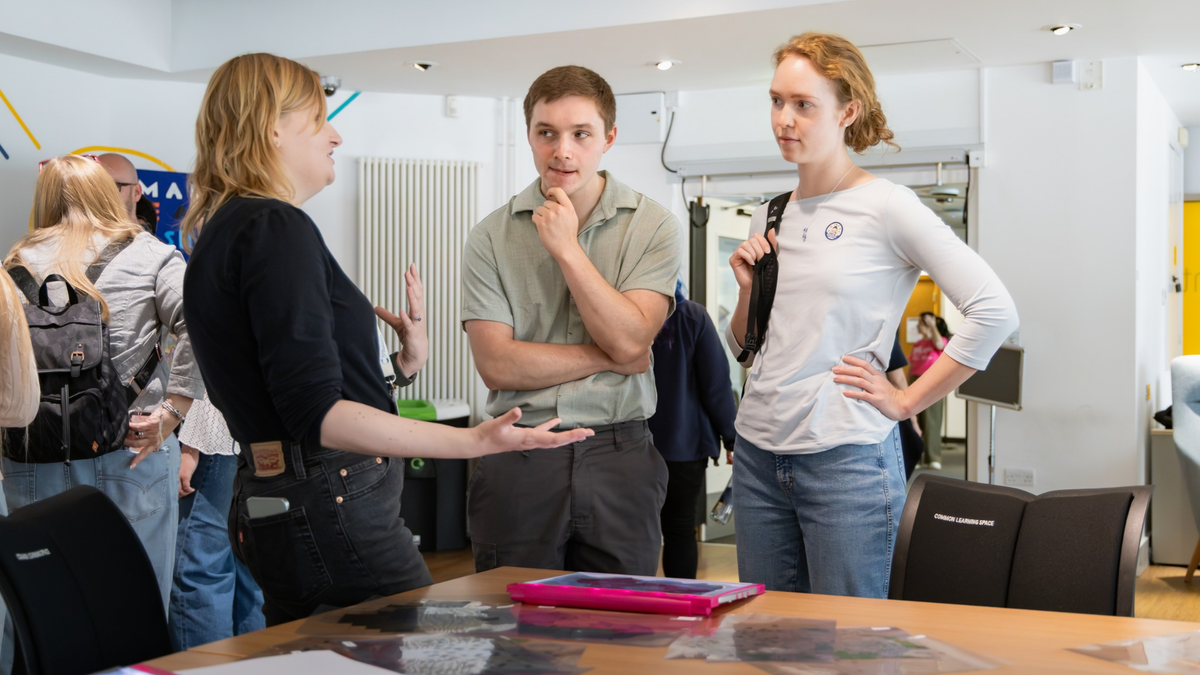
Meals, Mood and Microbes
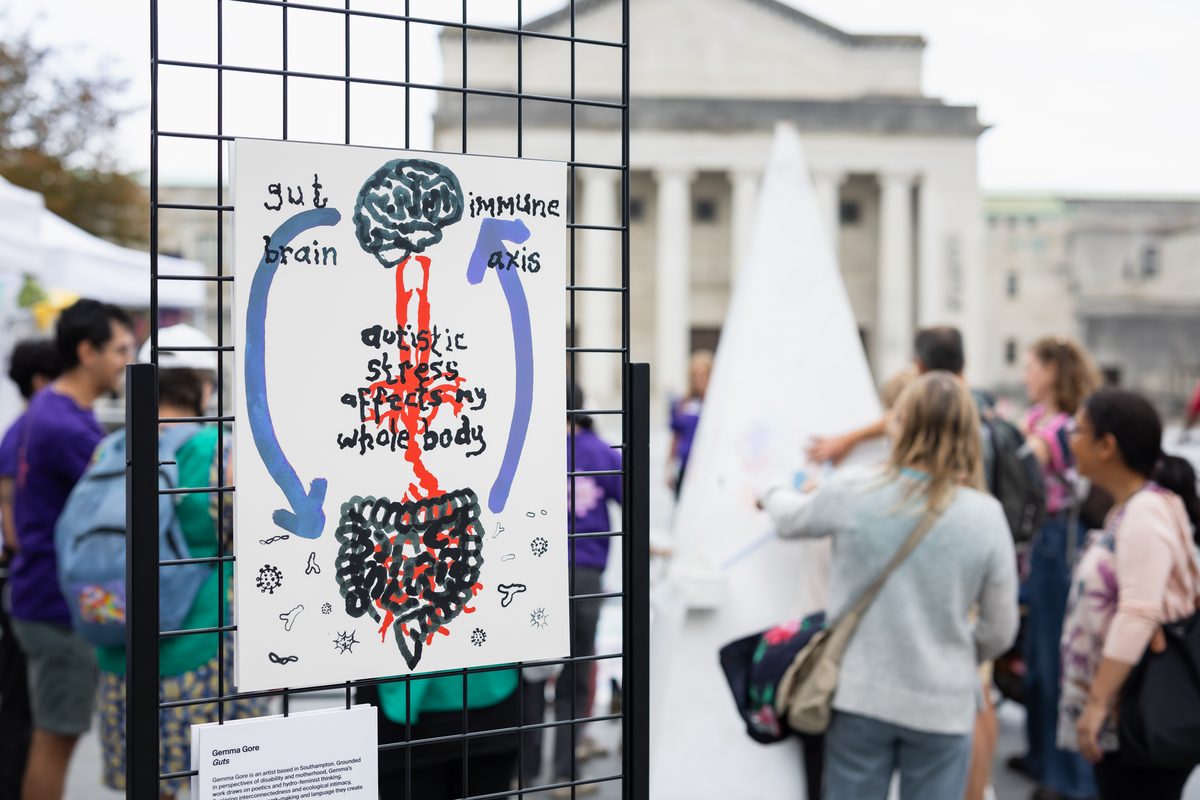
At Southampton’s street festival, Meals, Mood and Microbes explored how food can influence the connection between the gut and the brain.
Interactive activities, plant-based African street food and music created a lively setting in which visitors could learn about the relationships between diet, the gut and mood.
A lasting legacy
The Faculty’s Festival activities were supported by partners and funders including the Faculty’s Higher Education Innovation Funding allocation, the Institute for Life Sciences, the Public Engagement Development Fund and the NIHR Biomedical Research Centre: Southampton.
The Festival created new connections between researchers, artists, schools, community groups and the public, leaving a lasting legacy that will continue beyond the event itself.
Our thanks go to everyone who led, supported or participated in Festival activities, helping make the British Science Festival in Southampton a vibrant celebration of science, creativity and collaboration. The delivery of the Festival was only made possible by the dedication of our staff and students.