Creating more inclusive meetings across the university
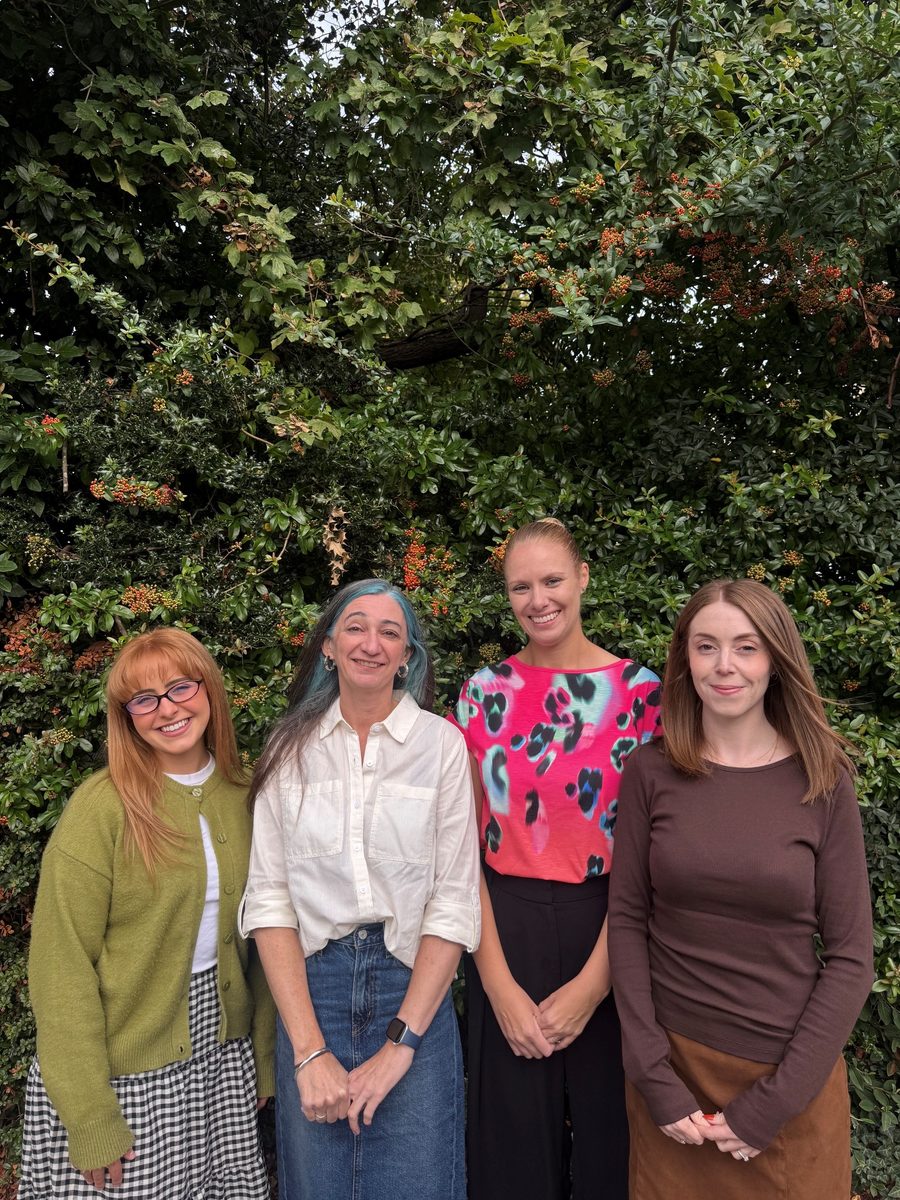
The School of Primary Care, Population Sciences and Medical Education’s (PPM) Equality, Diversity and Inclusion (EDI) Committee has launched Inclusive Meeting Guidance, a practical resource designed to help colleagues create more accessible and inclusive meetings.
Developed by a dedicated sub-committee made up of colleagues from research, education and professional services roles, the guidance aims to encourage reflection on how meetings are run and highlight the small changes that can make a meaningful difference to participation and inclusion.
We spoke to members of the group about the inspiration behind the project, how the guidance was developed, and what they hope colleagues will take away from it.
What inspired you to get involved in the PPM EDI Committee?
Peta Coulson-Smith, the Chair of the PPM EDI Committee, is keen to ensure that EDI work is practical and meaningful for people:
“As an EDI Committee, we recognise that making positive changes to improve accessibility for one group can often reduce barriers for many others. Our aim is to ensure that our EDI work is meaningful and relevant, and helps people to think and work inclusively in their everyday practice.”
For Lisa Ballard, a Senior Research Fellow and Deputy Chair of the PPM EDI Committee, joining the committee was an opportunity to develop her understanding of EDI and contribute to positive change:
“EDI has always been important to me, but I didn’t feel confident that I was particularly knowledgeable. I joined because I wanted to learn more and become more immersed in EDI priorities and discussions across the university.”
For Hannah Bowers, a Lecturer focusing on mental health, autism and ADHD, and health inequalities, the sub-committee aligned closely with both her professional interests and personal values:
“A lot of my research focuses on health inequalities and working with underserved communities. Joining the EDI Committee felt like another way to work in-line with those values, not just through my research but within my own workplace setting.”
What attracted you to the Inclusive Meetings project?
For Marsha Dearlove, Operations Manager for PPM, the appeal was the opportunity to create something practical and impactful:
“I enjoy getting involved in initiatives that improve where we work and help people enjoy work more. What appealed to me about this project was that it wasn’t just discussion, it was about taking practical steps to improve something.”
Postgraduate researcher Katie Read was similarly drawn to the project’s practical focus:
“My PhD project explored women’s health, so my work was already aligned with EDI principles. However, this project interested me in particular, because it was very much about problem-solving and creating something that people could actually use.”
Where did the idea for Inclusive Meeting Guidance come from?
The project grew out of discussions during a PPM EDI Committee meeting, where members reviewed University and Faculty EDI priorities and considered where they could make a meaningful contribution.
The priorities that stood out were the University’s EDI Goal to “actively seek to involve missing voices and experiences” and the Faculty’s EDI Goal to ensure “all members of our community feel they belong here and are valued.”
Hannah explained:
“After looking at the goals, we started to think about how we could address some of them in practice. One area was making sure people feel they have a voice. Meetings are a key place where people contribute ideas, share opinions and make decisions, so we asked ourselves: how can we create meeting spaces where everyone feels able to contribute?”
The result was a decision to explore how meetings could become more inclusive for colleagues with different backgrounds, experiences and needs, leading to the creation of the Inclusive Meetings Sub-Committee.
Why are there multiple resources?
Once an initial version of the guidance had been developed, the group presented it at last year’s University-wide EDI Symposium to gather feedback. The response was strongly positive, with attendees keen to know when the resource would be available and how they would be able to access it.
That feedback led the team to think carefully about accessibility in relation to the guidance itself.
“In the spirit of being inclusive, we realised we needed multiple formats,” said Hannah. “Different people prefer to access information in different ways.”
As a result, the team created a suite of resources, including:
- Written guidance
- An interactive infographic
- A short introductory video
- A dedicated SharePoint page bringing all resources together
By offering information in a variety of formats, the group hopes to make the guidance as accessible and useful as possible to all users.
What do you hope colleagues take away from the guidance?
A key principle underpinning the project is that the guidance is not intended to be prescriptive.
“We never wanted it to be a set of prescriptive rules,” said Hannah. “It’s really a conversation starter and a reflective tool.”
Instead, the team hopes colleagues will use the guidance to reflect on their own meeting practices and discuss ways of working with their teams.
“It’s about encouraging people to pause and reflect,” Hannah explained. “Maybe you’ve always scheduled meetings at a certain time, or always run them in a particular way. The guidance encourages people to consider whether small changes might help more people participate.”
Lisa hopes the resource will also empower colleagues who may find meetings challenging:
“If someone feels their voice isn’t being heard, this hopefully gives them a way to start that conversation. It’s a practical resource that teams can discuss together.”
Ultimately, the team hopes the guidance will contribute to a broader culture of belonging across the University, helping to create environments where everyone feels heard and included.
What’s next for the PPM EDI Committee?
The Inclusive Meeting Guidance has been designed as a living resource and the team welcomes feedback from colleagues.
“We’re very open to hearing if there’s something we’ve missed or if there are ways we can improve it,” said Hannah. “We know we can’t capture every experience, so feedback is incredibly valuable.”
Meanwhile, the PPM EDI Committee has already begun work on its next project, with a new sub-committee, led by Lisa, focusing on supporting colleagues with dyslexia.
Building on the success of the Inclusive Meetings project, the group hopes to continue developing practical resources that help create a more inclusive working environment for everyone.
Explore the Inclusive Meeting Guidance on SharePoint and share your feedback with the team.